

PRP / PRF
What PRP And PRF Do
PRP and PRF use your own blood to stimulate healing and regeneration.
Both treatments concentrate platelets and growth factors from the patient’s blood. PRP releases growth factors quickly for faster response, while PRF releases them slowly over time, supporting longer lasting collagen stimulation and tissue repair.
How PRP And PRF Are Used
Why We Offer It
The body’s natural healing response declines with age and stress. PRP and PRF support regeneration by concentrating growth factors that help improve skin quality, hair density, and tissue repair.
How Does It Work
Blood is drawn and processed to separate platelets and growth factors. PRP releases them quickly, while PRF forms a fibrin matrix that delivers growth factors gradually over several days.
Who Is It For
PRP and PRF are suitable for individuals seeking natural skin rejuvenation, hair restoration, or healing support who prefer treatments derived from their own blood without synthetic substances.
What to Expect from a Treatment Session
Treatment includes blood collection, processing, and targeted application or injection. Sessions are completed in one visit, with minimal downtime and gradual results developing over weeks or months.
What PRP And PRF Can Help Improve
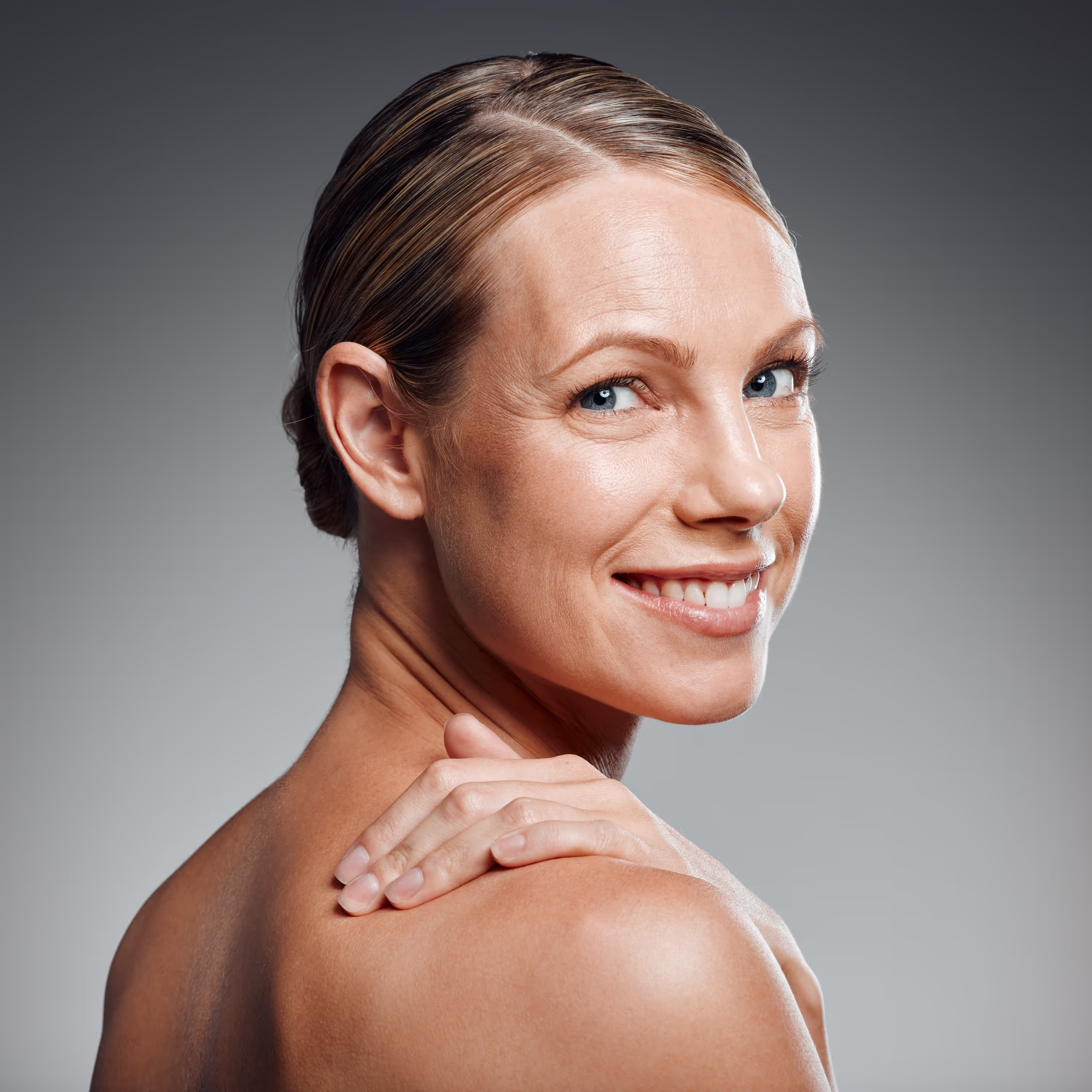
PRP and PRF support natural regeneration by enhancing collagen production, tissue repair, and circulation. Results develop gradually, improving skin texture, reducing wrinkles, supporting hair growth, and promoting healing without introducing foreign materials.
Natural Regeneration
Uses the body’s own blood components to support healing and renewal.
Gradual Skin Improvement
Enhances texture, tone, and firmness over time rather than immediate surface change.
Versatile Treatment Use
Supports skin rejuvenation, hair restoration, and tissue repair across multiple concerns.
Every recommendation is based on anatomy, skin behavior, and realistic timelines. Treatments are introduced gradually, allowing results to settle, responses to be assessed, and decisions to remain grounded over time.

A Clinically-Guided Glow
Treatment planning is deliberate and paced, allowing time to assess response and adjust thoughtfully. Recommendations evolve as skin changes, prioritizing balance and proportion, so results remain appropriate, credible, and consistent with how faces age over time without pressure, excess, or unnecessary repetition, long-term focus.
Any Questions?
PRP releases growth factors quickly, while PRF releases them gradually over a longer period.
Blood is drawn, processed, and the concentrated platelets are applied or injected into targeted areas.
They are used for skin rejuvenation, hair loss, under-eye concerns, and healing support.
PRP results often last three to six months, while PRF may last longer due to sustained release.
Downtime is minimal, with possible mild swelling or redness resolving quickly.
PRP and PRF are suitable for individuals seeking natural regenerative treatment using their own blood.