


Volume Loss
Addressing Changes In Facial Support
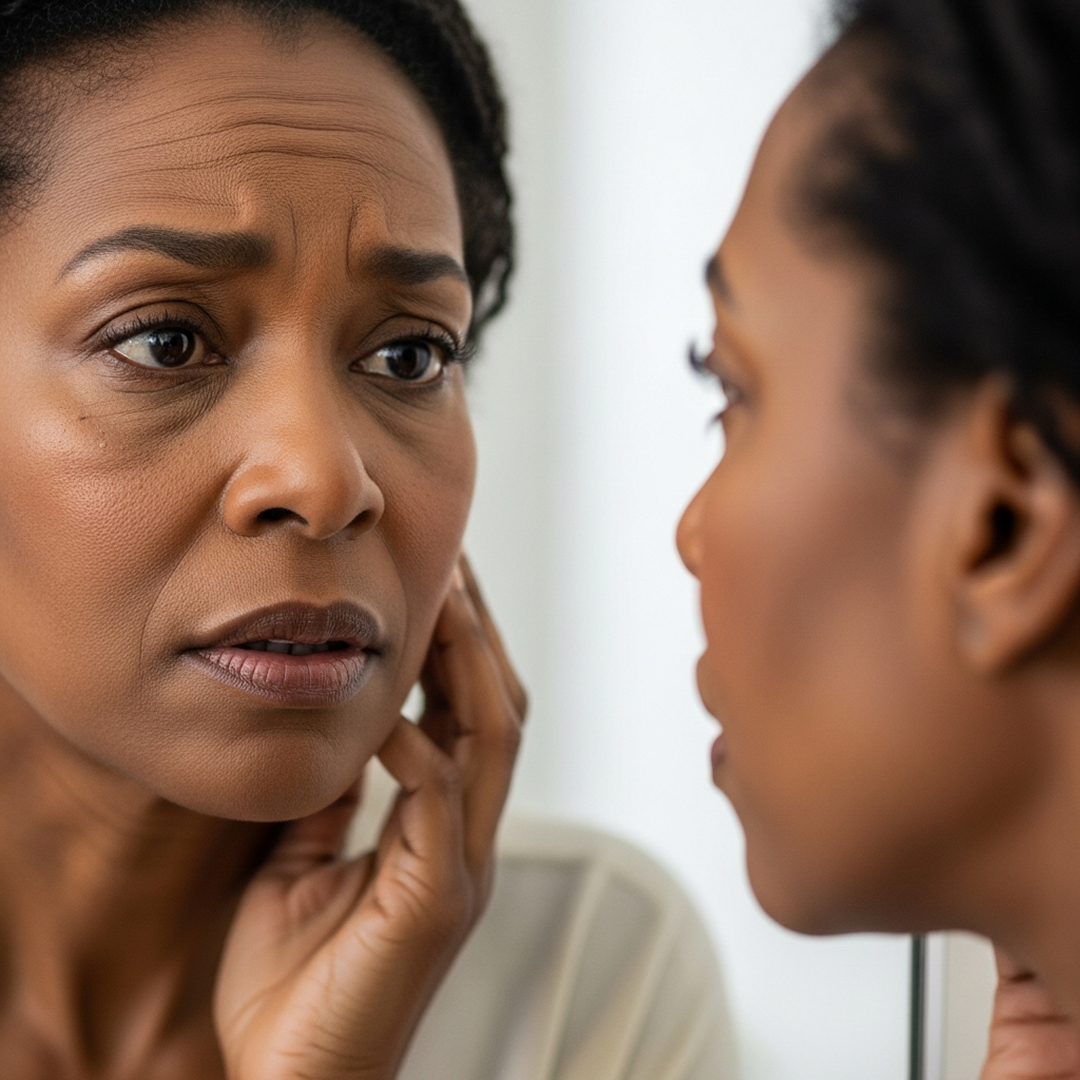
Volume loss occurs as fat pads shift and diminish with age. These changes affect facial proportions, contour, and how features relate to one another.
Care focuses on restoring support in areas where it has declined, allowing the face to appear balanced and refreshed without altering natural shape or expression.
How We Treat Your Concerns
Volume loss is addressed through injectable treatments that restore structural support, improve balance, and stimulate collagen production. Approaches are selected based on degree of loss, facial anatomy, and desired pace of improvement to maintain proportion over time.
Dermal Fillers
Dermal fillers restore facial volume and structural support while maintaining balance, proportion, and natural expression.
Bioregenerative Fillers
Bioregenerative fillers stimulate the body’s own collagen production to improve skin quality and restore structural support over time.
Every recommendation is based on anatomy, skin behavior, and realistic timelines. Treatments are introduced gradually, allowing results to settle, responses to be assessed, and decisions to remain grounded over time.

A Clinically-Guided Glow
Treatment planning is deliberate and paced, allowing time to assess response and adjust thoughtfully. Recommendations evolve as skin changes, prioritizing balance and proportion, so results remain appropriate, credible, and consistent with how faces age over time without pressure, excess, or unnecessary repetition, long-term focus.
Any Questions?
Volume loss typically develops gradually over years. Changes may become noticeable once structural support reaches a certain threshold.
While aging is the primary factor, weight changes, stress, illness, and genetics can also influence the rate and visibility of volume loss.
Volume loss occurs as fat pads diminish, shift, and descend with age. This affects facial support, balance, and contour, contributing to hollowing and changes in overall facial structure.
Yes. Volume loss is a natural aging process influenced by genetics, lifestyle, and time. The degree and pattern vary between individuals and facial regions.
Yes. Uneven volume loss can create asymmetry between facial features, affecting balance and how the face appears at rest and in motion.
Volume loss can make skin appear looser or less supported, even if the skin itself remains healthy and well-maintained.
Volume loss commonly appears in the midface, temples, and around the eyes, though it can also affect the jawline and lower face as aging progresses.
Volume loss can create hollow areas, flatten contours, and alter proportions. These changes may make the face appear tired, aged, or less balanced even when skin quality remains good.