

Acne-Related Texture Concerns
Improving Texture After Acne
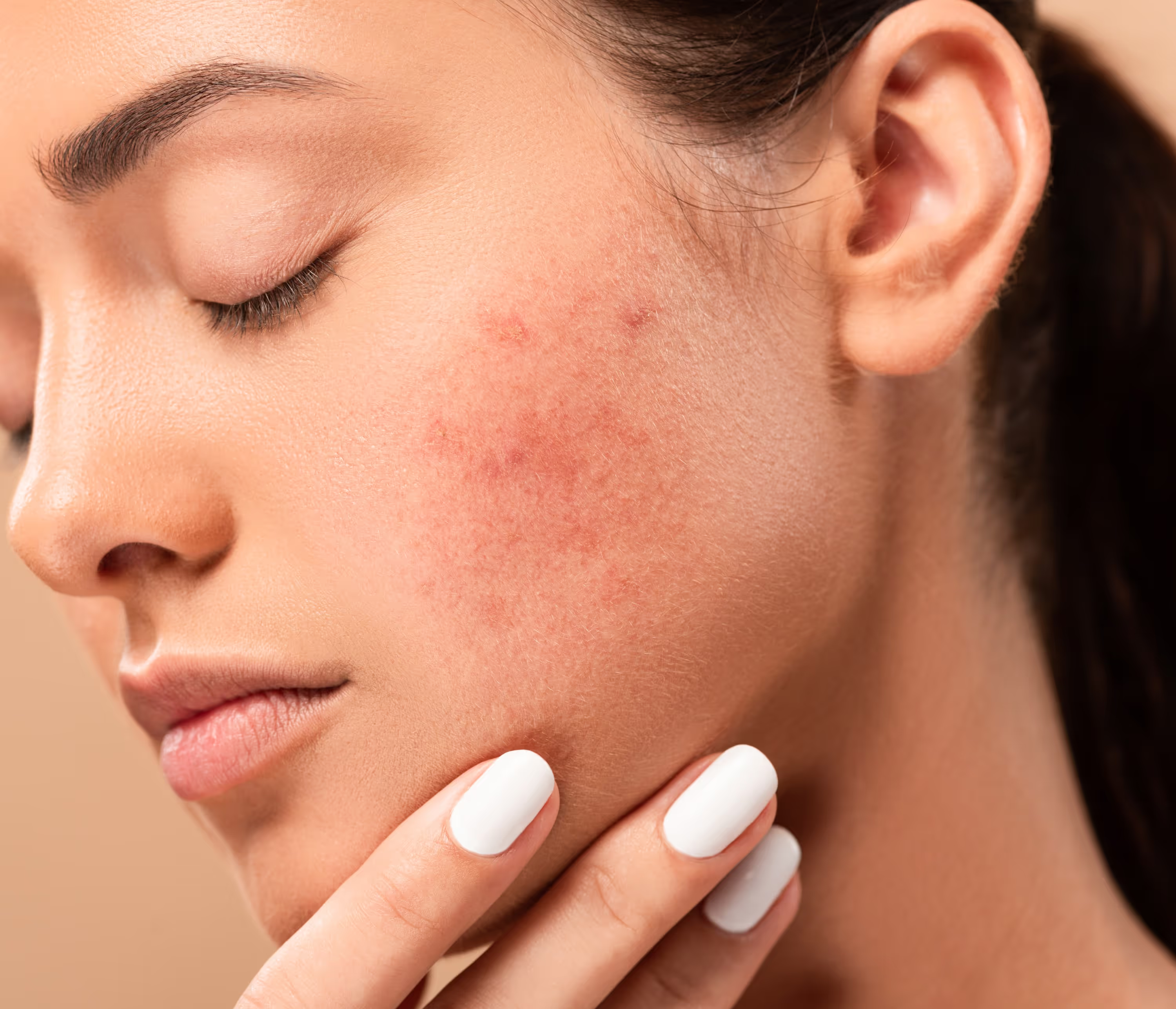
Acne can leave lasting changes in skin texture even after active breakouts resolve. These changes may include roughness, shallow scarring, and uneven surface appearance.
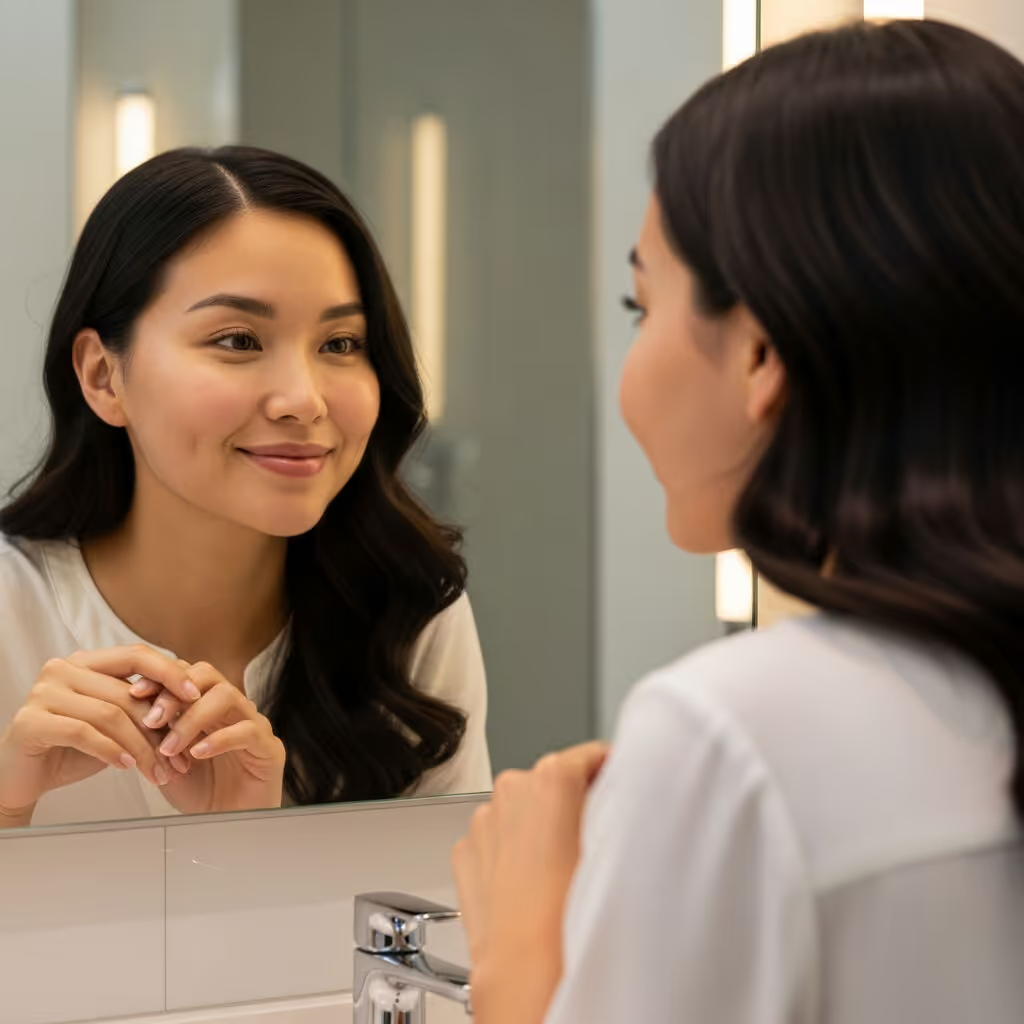
Care focuses on improving skin smoothness and supporting healthy regeneration rather than treating active acne alone.
How We Treat Your Concerns
Acne-related texture concerns are addressed using treatments that encourage controlled skin renewal and collagen support. Care focuses on smoothing irregularities, improving surface consistency, and strengthening skin structure while allowing gradual improvement and predictable recovery over time.
Chemical Peels
Chemical peels use controlled exfoliation to improve skin texture, tone, and overall clarity.
Microneedling
Microneedling is a skin treatment that stimulates collagen production to improve texture, tone, and overall skin quality.
Every recommendation is based on anatomy, skin behavior, and realistic timelines. Treatments are introduced gradually, allowing results to settle, responses to be assessed, and decisions to remain grounded over time.

A Clinically-Guided Glow
Treatment planning is deliberate and paced, allowing time to assess response and adjust thoughtfully. Recommendations evolve as skin changes, prioritizing balance and proportion, so results remain appropriate, credible, and consistent with how faces age over time without pressure, excess, or unnecessary repetition, long-term focus.
Any Questions?
Acne-related texture concerns develop from inflammation, disrupted healing, and collagen changes following breakouts, leading to uneven surface appearance.
Texture changes may improve gradually over time, though severity and recovery vary based on skin type and healing response.
While primarily cosmetic, texture concerns can affect confidence and how smooth or healthy skin appears.
As collagen production declines, existing texture irregularities may become more noticeable over time.
They can indirectly affect tone by creating shadows or uneven reflection across the skin surface.
Acne-related texture concerns commonly affect the cheeks, jawline, and forehead, though other areas may be involved.