


Under-Eye Concerns
Caring For A Sensitive Area
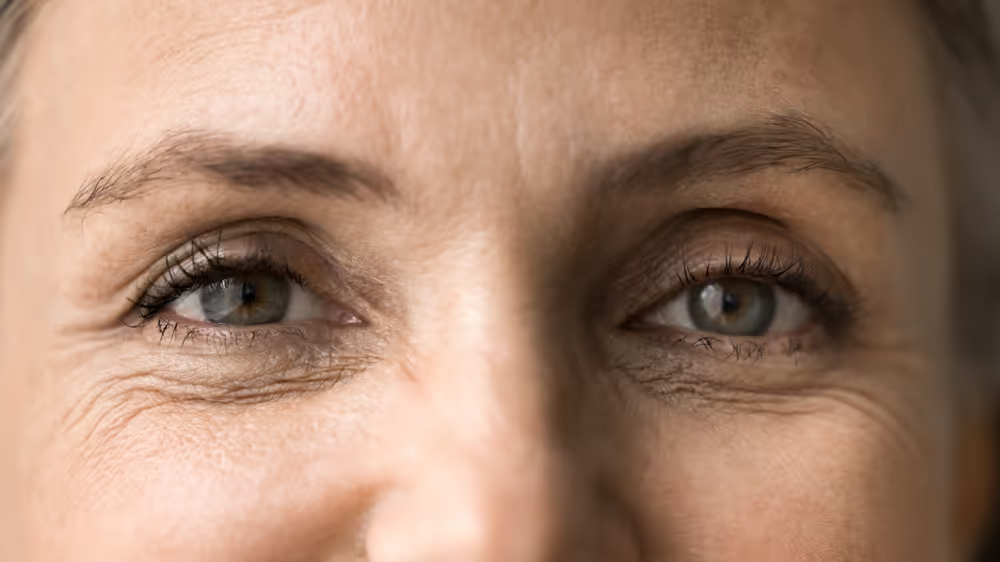
The under-eye area has thin skin, constant movement, and limited structural support. These factors make it prone to early changes such as hollowing, fine lines, and visible fatigue.
Care focuses on subtle improvement and tissue support, avoiding heaviness or disruption to natural eye shape and expression.
How We Treat Your Concerns
Under-eye concerns are addressed through treatments that improve skin quality, support underlying structure, and soften movement-related changes. Care focuses on brightness, texture, and support while respecting sensitivity and avoiding excess volume or visible alteration over time.
PRP / PRF
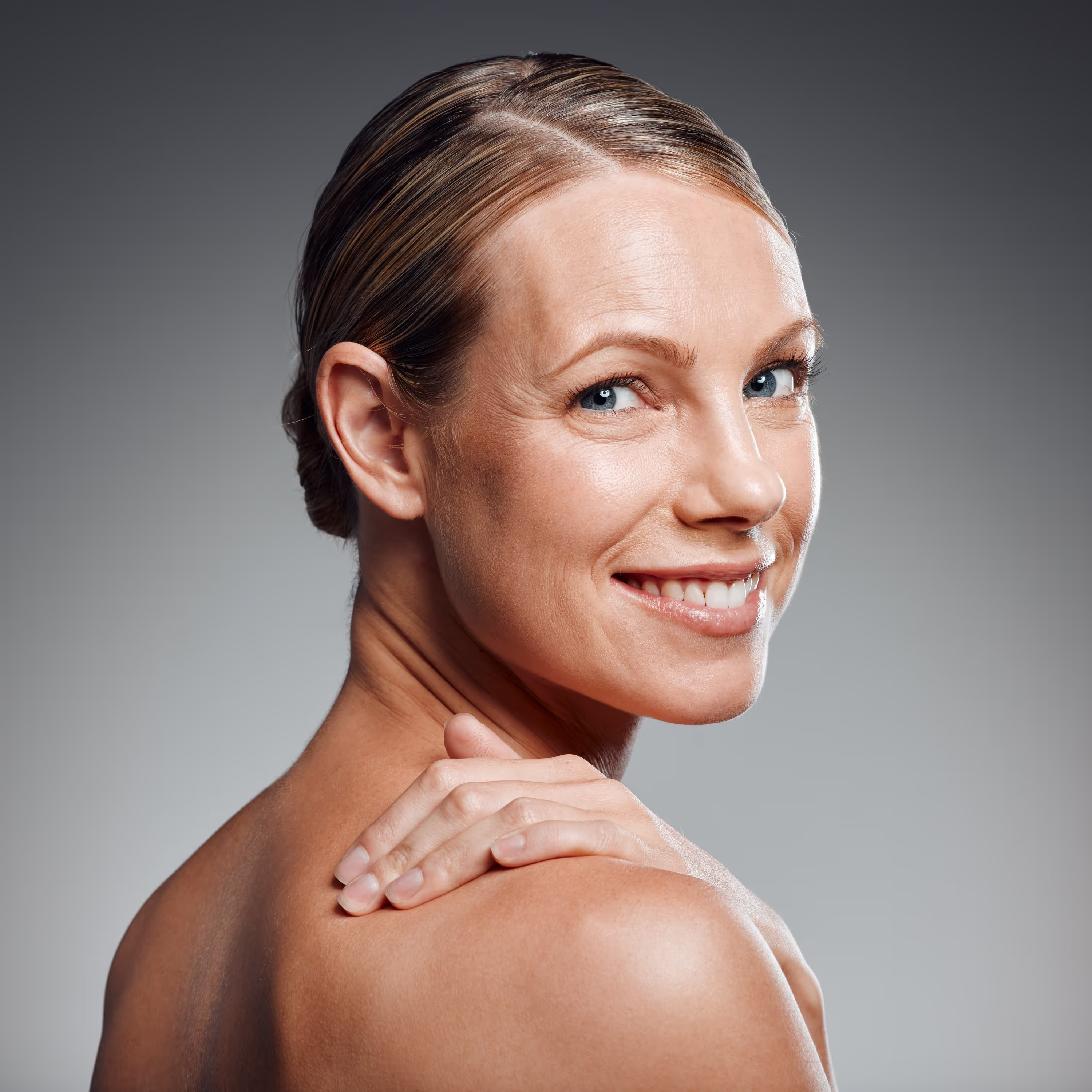
PRP and PRF are regenerative treatments derived from your own blood to support skin renewal, hair growth, and tissue repair.
Every recommendation is based on anatomy, skin behavior, and realistic timelines. Treatments are introduced gradually, allowing results to settle, responses to be assessed, and decisions to remain grounded over time.

A Clinically-Guided Glow
Treatment planning is deliberate and paced, allowing time to assess response and adjust thoughtfully. Recommendations evolve as skin changes, prioritizing balance and proportion, so results remain appropriate, credible, and consistent with how faces age over time without pressure, excess, or unnecessary repetition, long-term focus.
Any Questions?
Under-eye concerns commonly include hollowing, fine lines, darkness, texture changes, and a tired appearance caused by thin skin, volume loss, and constant movement in this delicate area.
Under-eye area treatments are planned for subtle improvement. The goal is refreshed appearance and improved skin quality without visible volume excess or alteration of eye shape.
Under-eye concerns often progress with age as skin thins further and structural support continues to decline.
Lack of sleep can worsen under-eye appearance temporarily, but structural and skin quality changes often persist regardless of rest.
Longevity depends on treatment type and individual response. Results are designed to be gradual and adaptable, allowing reassessment as the area continues to change.
The under-eye area has thinner skin and less structural support than other areas, making it more vulnerable to aging, fatigue, and environmental stress.
Volume loss is a common factor in under-eye concerns, contributing to hollowing and shadowing beneath the eyes.
When planned conservatively, under-eye area treatments maintain natural contours and expression while improving brightness, texture, and overall appearance.
Under-eye area treatments address hollowing, fine lines, darkness, texture changes, and fatigue-related appearance. Care focuses on improving support and brightness while respecting the thin, sensitive skin.
Downtime varies by approach but is often minimal. Temporary swelling or redness may occur and typically resolves as the area settles and skin adjusts.
No. Genetics, anatomy, lifestyle, and aging patterns all influence how under-eye concerns develop and appear.