


Facial Contour Changes
Maintaining Facial Balance
Facial contour changes develop as volume shifts and skin support decreases. These changes can soften definition and affect how the face appears from different angles.
Care emphasizes restoring proportion and balance rather than reshaping features or creating sharp contrast that disrupts natural harmony.

How We Treat Your Concerns
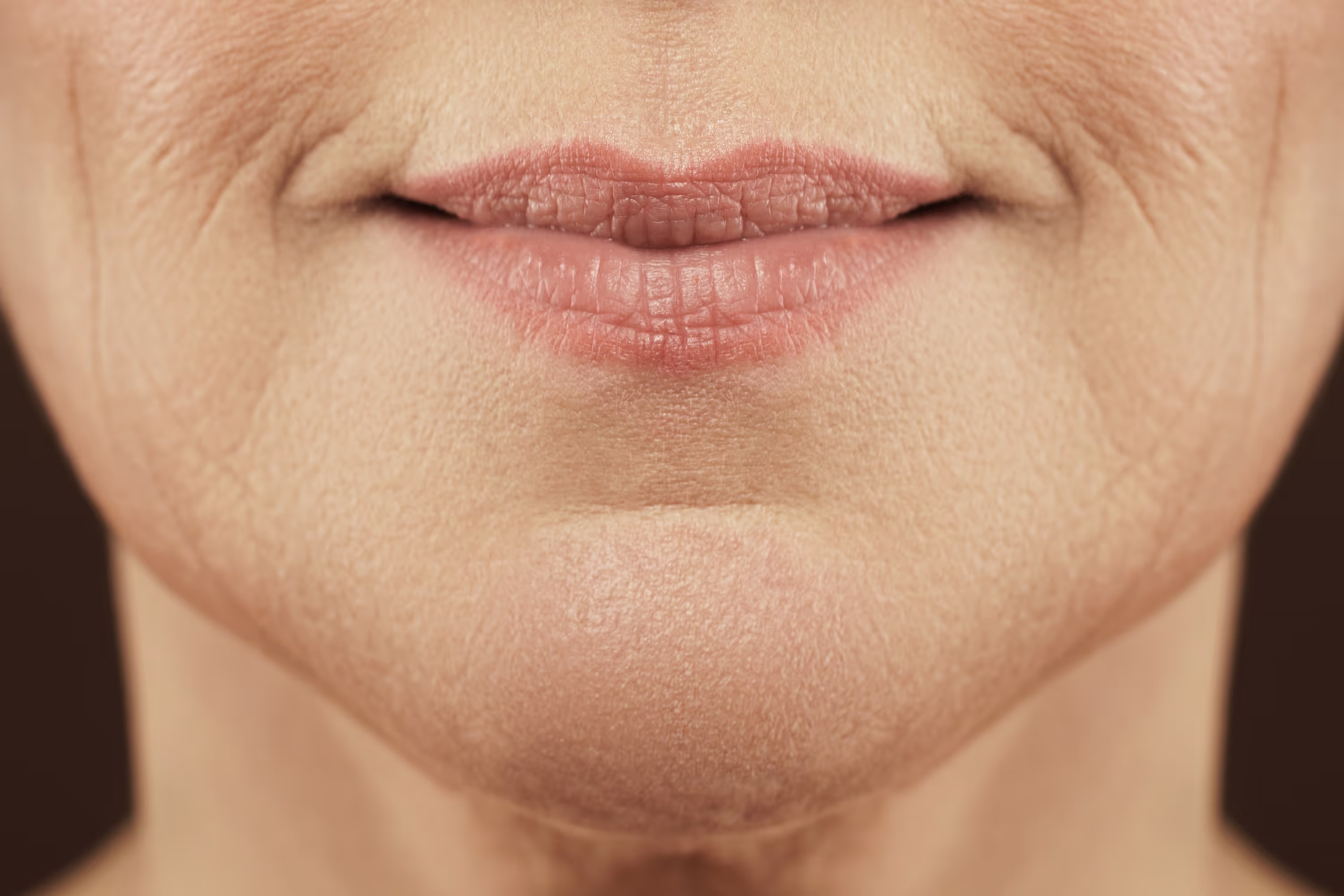
Facial contour changes are addressed through treatments that support structure, restore definition, and encourage collagen production. Care is planned to improve harmony across features while avoiding exaggerated projection or isolated correction that disrupts overall facial balance.

Dermal Fillers
Dermal fillers restore facial volume and structural support while maintaining balance, proportion, and natural expression.
Every recommendation is based on anatomy, skin behavior, and realistic timelines. Treatments are introduced gradually, allowing results to settle, responses to be assessed, and decisions to remain grounded over time.

A Clinically-Guided Glow
Treatment planning is deliberate and paced, allowing time to assess response and adjust thoughtfully. Recommendations evolve as skin changes, prioritizing balance and proportion, so results remain appropriate, credible, and consistent with how faces age over time without pressure, excess, or unnecessary repetition, long-term focus.
Any Questions?
Facial contour changes refer to shifts in shape, definition, and balance caused by volume redistribution, skin support loss, and structural aging across facial regions.
They develop gradually as volume shifts, fat pads descend, and skin support weakens, altering how facial features relate to each other.
Facial contour changes usually occur slowly over time, becoming more noticeable as structural support continues to shift.
Changes in facial balance can impact self-perception, especially when they alter familiar facial features or expressions.
They can affect multiple regions, including cheeks, jawline, and chin, influencing overall harmony rather than a single isolated area.
No. Patterns vary based on genetics, bone structure, lifestyle, and how aging affects each individual.