


Sun Damage
Addressing Sun-Related Skin Changes
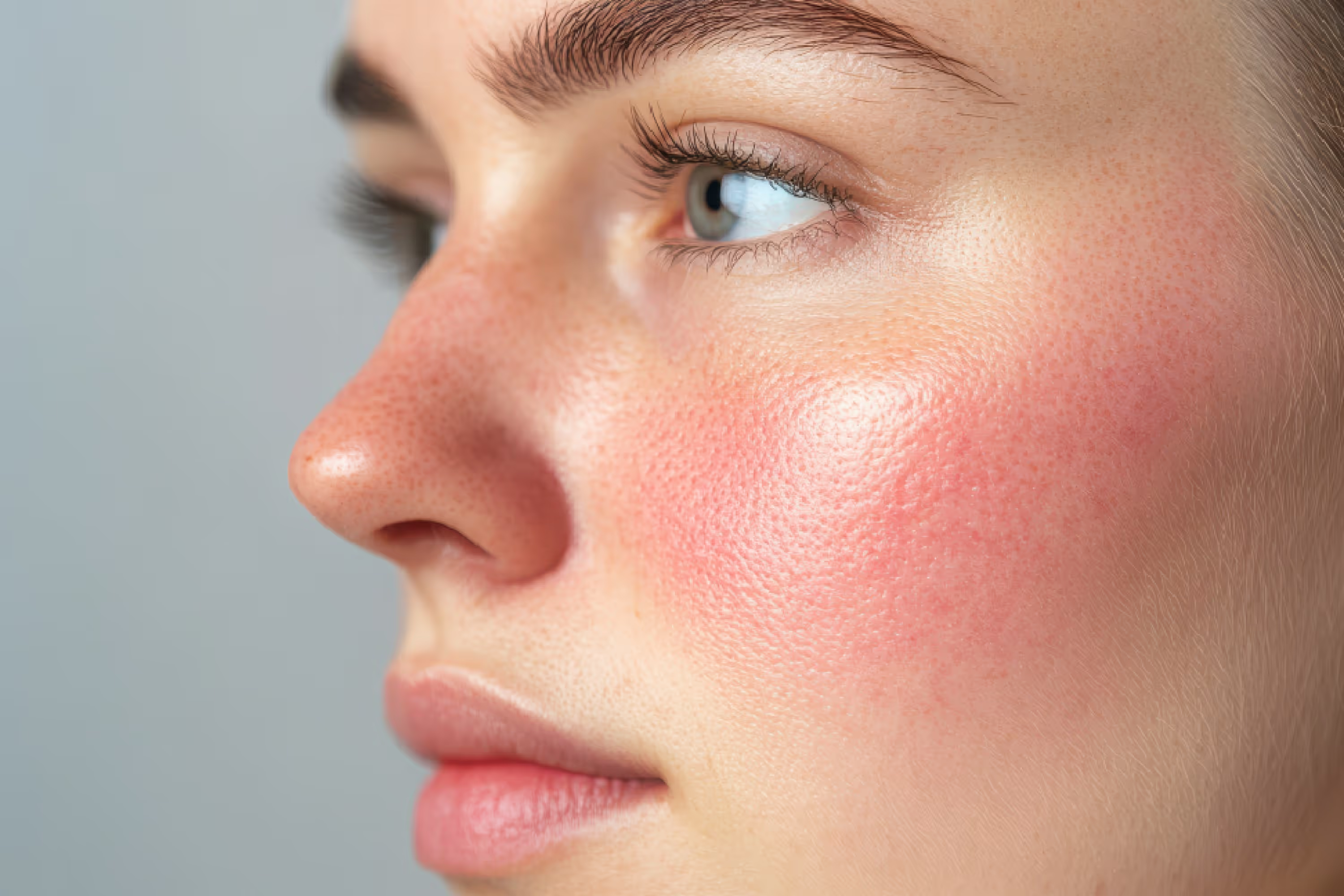
Sun damage develops gradually through repeated exposure to ultraviolet light. Over time, this can lead to pigmentation changes, rough texture, and early signs of aging.
Care focuses on improving visible damage while supporting healthier skin behavior and resilience moving forward.
How We Treat Your Concerns
Sun damage is addressed through treatments that improve pigment irregularities, refine texture, and support collagen health. Care focuses on gradual correction of photodamage while enhancing skin clarity and strength without aggressive resurfacing or extended recovery.

Chemical Peels
Chemical peels use controlled exfoliation to improve skin texture, tone, and overall clarity.

LaseMD
LaseMD is a non-ablative laser treatment that improves skin tone, texture, and overall quality with minimal interruption to daily life.
Every recommendation is based on anatomy, skin behavior, and realistic timelines. Treatments are introduced gradually, allowing results to settle, responses to be assessed, and decisions to remain grounded over time.

A Clinically-Guided Glow
Treatment planning is deliberate and paced, allowing time to assess response and adjust thoughtfully. Recommendations evolve as skin changes, prioritizing balance and proportion, so results remain appropriate, credible, and consistent with how faces age over time without pressure, excess, or unnecessary repetition, long-term focus.
Any Questions?
Mild to moderate sun damage develops from cumulative ultraviolet exposure over time, leading to pigment changes, rough texture, and early signs of skin aging.
While sun damage cannot be fully reversed, skin appearance and quality can improve with targeted care and protective habits.
Yes. Sun damage accumulates over time, and visible effects often become more noticeable as skin repair processes slow with age.
While aging cannot be stopped, protective care can help manage how fine lines develop over time.
Yes. Sun damage contributes to roughness, uneven texture, and weakened skin structure over time.
Sun damage commonly appears on the face, neck, chest, hands, and other areas frequently exposed to sunlight.
Pigmentation is one result of sun damage, but sun damage also affects texture, elasticity, and overall skin resilience.
Sun damage can cause uneven tone, rough texture, fine lines, and visible spots that affect overall skin clarity and smoothness.
Yes. Cumulative sun exposure is a major contributor to pigmentation, sun spots, and age spots.
Consistent sun protection and skin care can help slow progression of sun damage and reduce future visible changes.