


Collagen Loss
Supporting Skin From Within
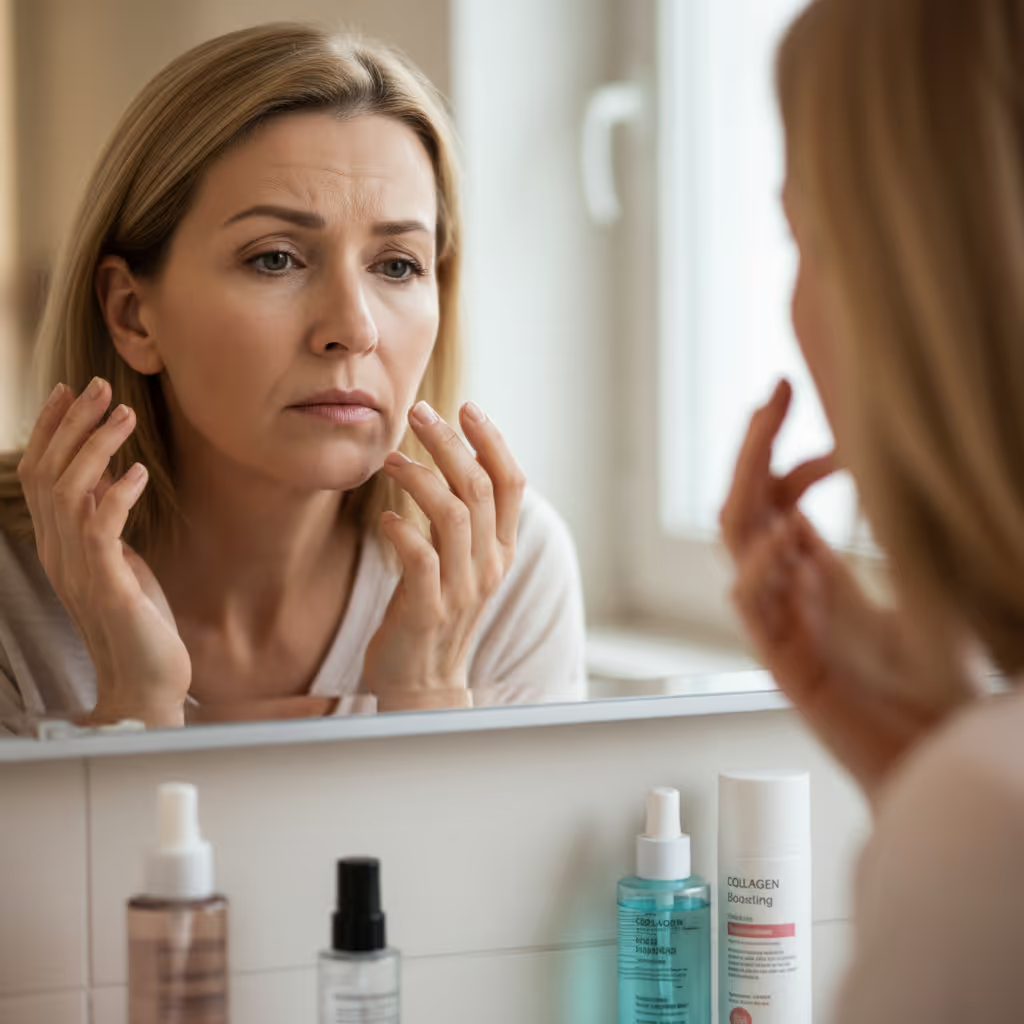
Collagen provides strength and structure to the skin. As production declines with age, skin becomes thinner, less firm, and more prone to texture and laxity changes.
Care aims to support collagen levels to improve skin resilience and long-term quality rather than focusing only on surface appearance.
How We Treat Your Concerns
Collagen loss is addressed using treatments that stimulate collagen production and support skin structure. Approaches are planned to improve firmness, texture, and resilience gradually, helping skin respond better to aging while maintaining natural appearance and long-term structural integrity.

Bioregenerative Fillers
Bioregenerative fillers stimulate the body’s own collagen production to improve skin quality and restore structural support over time.
PRP / PRF
PRP and PRF are regenerative treatments derived from your own blood to support skin renewal, hair growth, and tissue repair.

Microneedling
Microneedling is a skin treatment that stimulates collagen production to improve texture, tone, and overall skin quality.
Every recommendation is based on anatomy, skin behavior, and realistic timelines. Treatments are introduced gradually, allowing results to settle, responses to be assessed, and decisions to remain grounded over time.

A Clinically-Guided Glow
Treatment planning is deliberate and paced, allowing time to assess response and adjust thoughtfully. Recommendations evolve as skin changes, prioritizing balance and proportion, so results remain appropriate, credible, and consistent with how faces age over time without pressure, excess, or unnecessary repetition, long-term focus.
Any Questions?
Collagen loss occurs naturally with age and is influenced by sun exposure, genetics, lifestyle factors, and slowed skin regeneration processes.
Yes. Reduced collagen weakens skin structure, making it less resilient to stress, movement, and environmental exposure.
Skin with reduced collagen may respond differently to treatments, making collagen support an important consideration in long-term skin planning.
Collagen loss leads to reduced firmness, elasticity, and support, contributing to fine lines, laxity, and changes in overall skin texture.
Collagen production begins to decline in early adulthood, though visible effects may not appear until later depending on individual factors.
Yes. Reduced collagen and elastin contribute directly to the development of early skin laxity.
No. Collagen loss can vary by area due to differences in skin thickness, sun exposure, and underlying structure.
While natural collagen decline cannot be fully reversed, skin quality can be supported through targeted care that encourages collagen activity.
Collagen loss develops gradually over time, often becoming noticeable only after cumulative decline affects skin support.