
Uneven Skin Tone
Improving Tone Consistency
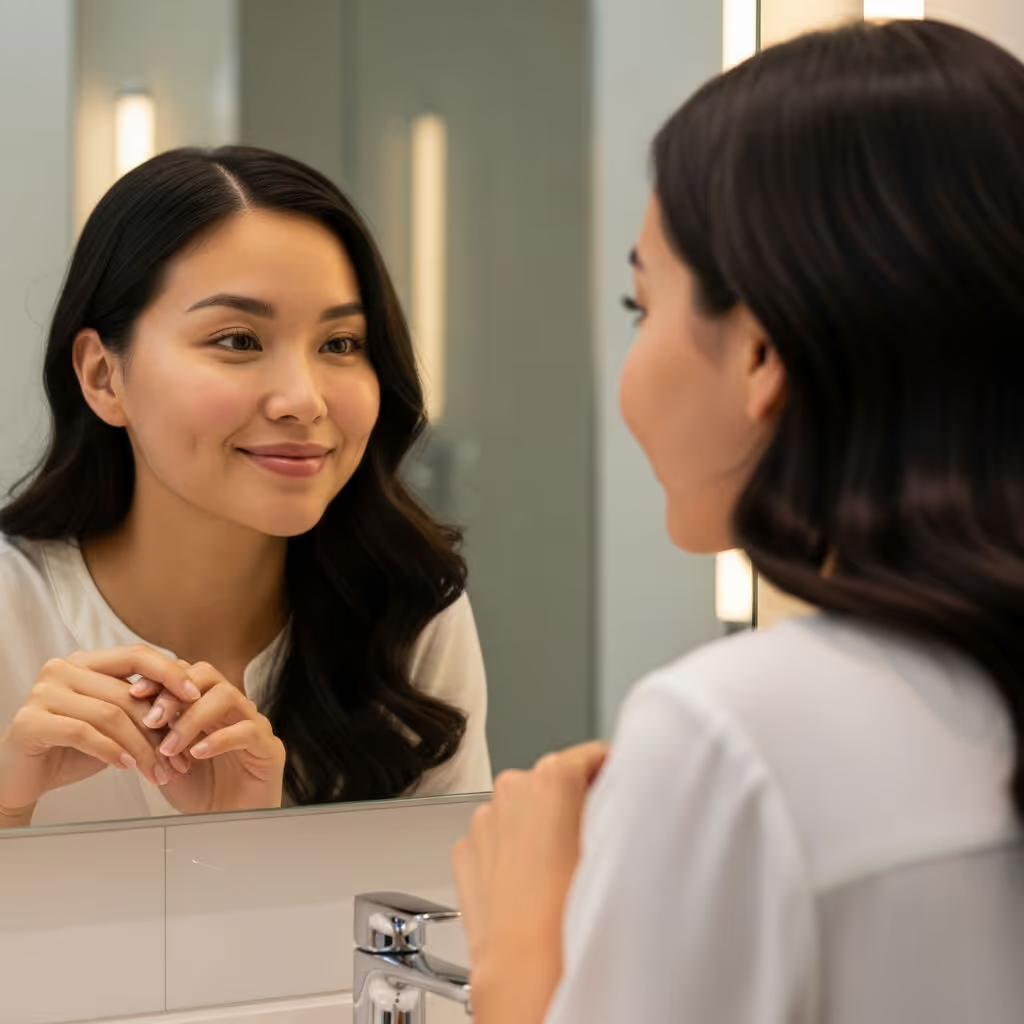
Uneven skin tone develops from sun exposure, pigmentation changes, and slowed skin turnover. These changes can cause blotchiness and uneven coloration.
Care focuses on improving tone uniformity and brightness while maintaining overall skin health and integrity.

How We Treat Your Concerns
Uneven skin tone is addressed through treatments that improve pigment distribution and surface clarity. Care focuses on gradual correction of discoloration, supporting even tone and brightness while maintaining skin integrity and minimizing disruption to daily routines and comfort.
Chemical Peels
Chemical peels use controlled exfoliation to improve skin texture, tone, and overall clarity.
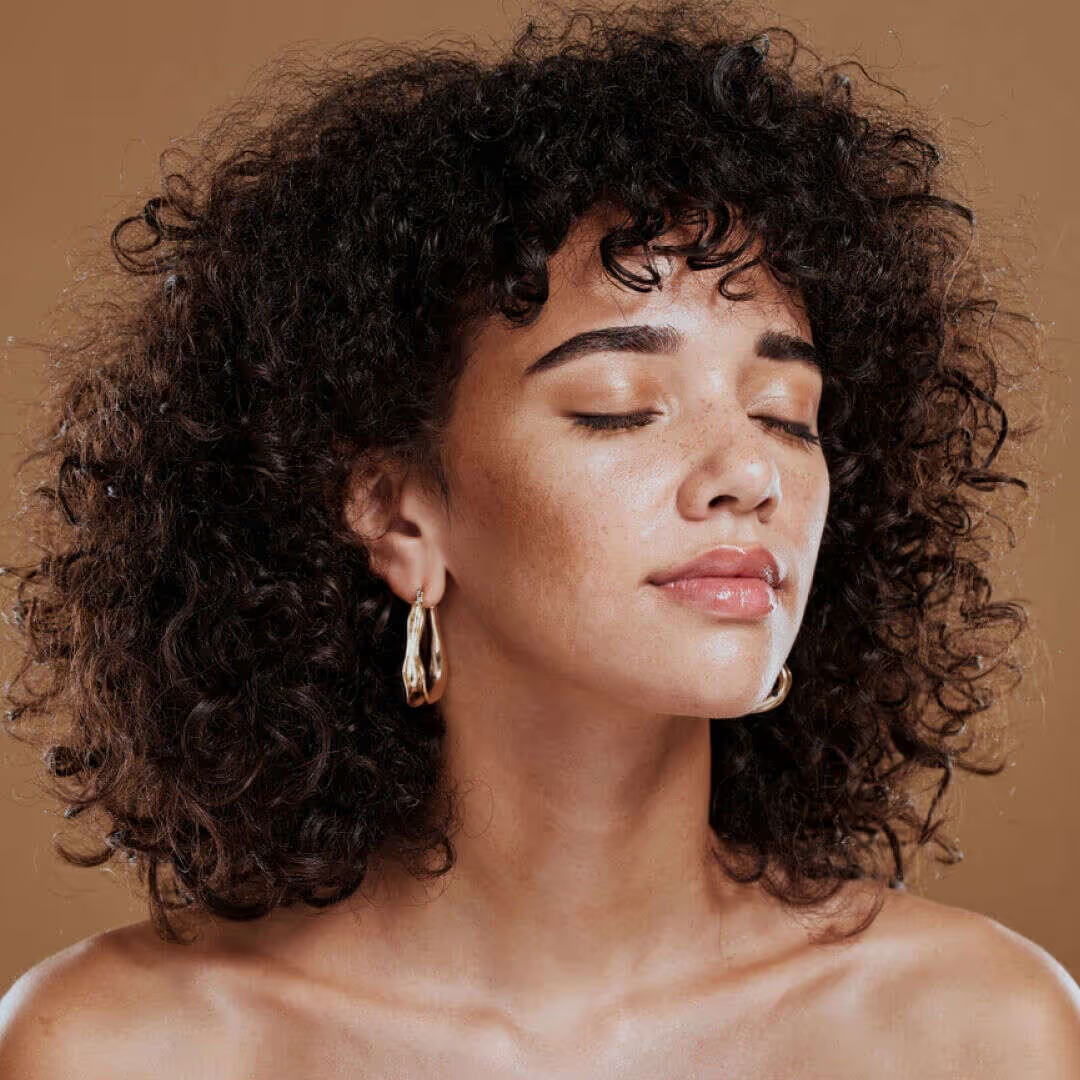
LaseMD
LaseMD is a non-ablative laser treatment that improves skin tone, texture, and overall quality with minimal interruption to daily life.
Every recommendation is based on anatomy, skin behavior, and realistic timelines. Treatments are introduced gradually, allowing results to settle, responses to be assessed, and decisions to remain grounded over time.

A Clinically-Guided Glow
Treatment planning is deliberate and paced, allowing time to assess response and adjust thoughtfully. Recommendations evolve as skin changes, prioritizing balance and proportion, so results remain appropriate, credible, and consistent with how faces age over time without pressure, excess, or unnecessary repetition, long-term focus.
Any Questions?
Uneven skin tone develops from sun exposure, pigment changes, inflammation, and slowed skin turnover that leads to discoloration and blotchiness.
While not fully preventable, consistent skin care and sun protection can help reduce progression of uneven skin tone.
Without intervention or protection, uneven skin tone can become more pronounced as pigment accumulates and skin turnover slows.
Yes. Sun exposure is a primary contributor to uneven skin tone due to its effect on pigment production.
Uneven skin tone may appear as dark spots, redness, blotchy patches, or areas of discoloration that contrast with surrounding skin.
Uneven skin tone is a broad term that includes pigmentation, redness, and discoloration caused by multiple factors.
Uneven skin tone can make skin appear dull or aged, even when texture and firmness are otherwise healthy.